


 English
 Español
 عربى
عربىManaging the storage and transportation of food additives requires careful consideration, and Industrial Bulk Bags have emerged as a practical solution in this context. Designed to handle large volumes while maintaining the integrity of their contents, these bags support the safe storage of powders, granules, and other food-grade materials. As a practical solution for Food Additive Packaging, they help manufacturers and distributors manage bulk ingredients with greater efficiency and control. By combining durability, flexibility, and environmental resistance, Industrial Bulk Bags play a key role in preserving the quality of food additives over extended periods.
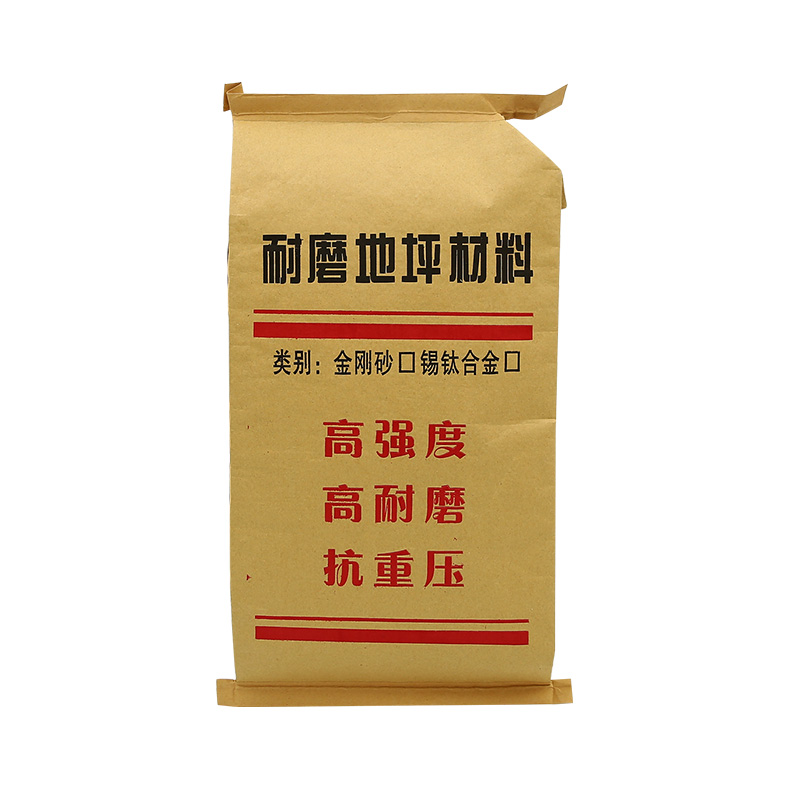
Maintaining Structural Integrity Under Heavy Loads
One important factor for long-term storage is the ability of packaging to withstand weight and pressure without compromising its structure. Industrial Bulk Bags are typically constructed from tightly woven polypropylene fibers, providing a strong and stable container for dense food additives. This woven structure prevents deformation or tearing during stacking and handling, ensuring that bags retain their shape throughout storage and transit. By maintaining structural integrity, these bags reduce the risk of accidental spills and contamination, supporting safer storage conditions.
Protection Against Moisture and Environmental Factors
Food additives are often sensitive to moisture, temperature variations, and dust exposure. Industrial Bulk Bags are designed with properties that help limit exposure to these environmental factors. While they are not completely airtight, the woven polypropylene and additional inner liners often used for food-grade applications reduce moisture penetration and limit direct contact with dust or other airborne particles. This contributes to a more stable storage environment, helping maintain the consistency and usability of additives over time.
Practical Features Supporting Handling and Logistics
Several practical features make Industrial Bulk Bags suitable for food additive storage and movement. Key aspects include:
- Lift loops and reinforced stitching: These features facilitate safe handling with forklifts or cranes, reducing the risk of damage during loading and unloading.
- Customizable sizing: Bags can be made to match storage container dimensions, optimizing space utilization in warehouses.
- Inner liners or double layers: These provide additional protection against contamination and help maintain the dry condition of the contents.
- These features make the bags easier to handle while maintaining the cleanliness and organization of storage areas, contributing to operational efficiency.
Adaptability to Different Storage Conditions
Food additive storage environments can vary, from climate-controlled warehouses to less controlled facilities. Industrial Bulk Bags adapt well to these variations due to their combination of flexibility and strength. The bags can be stacked or arranged in different configurations to suit the available storage space, and their resistance to wear and abrasion allows them to remain functional even in repeated handling scenarios. This adaptability supports long-term use without frequent replacement or modification.
Supporting Compliance and Safety Standards
In addition to physical durability, Industrial Bulk Bags designed for food additives often comply with relevant food safety standards. Using materials that meet regulatory requirements reduces the risk of chemical leaching or contamination. When properly labeled and stored, these bags also assist in inventory management, helping staff track product age, batch information, and rotation schedules more effectively. By supporting organized storage practices, the packaging contributes indirectly to overall food safety.
Enhancing Storage Efficiency
Industrial Bulk Bags provide a practical balance between volume capacity and storage convenience. Their relatively lightweight design compared to other rigid containers allows for easier transport and stacking without placing excessive strain on handling equipment. The ability to transport and store substantial quantities in a single bag simplifies logistics and reduces the need for multiple smaller packages, which can lower handling errors and save time during warehouse operations.