


 English
 Español
 عربى
عربىHandling large quantities of food additives requires careful attention to safety, and Industrial Bulk Bags have become a widely used solution for supporting safer loading and transport processes. These bags provide a structured, flexible container that helps manage heavy or granular materials while reducing potential risks during warehouse operations and transit. By offering a combination of durability, ease of handling, and adaptable design, Industrial Bulk Bags play a role in maintaining operational safety and efficiency in food additive packaging.
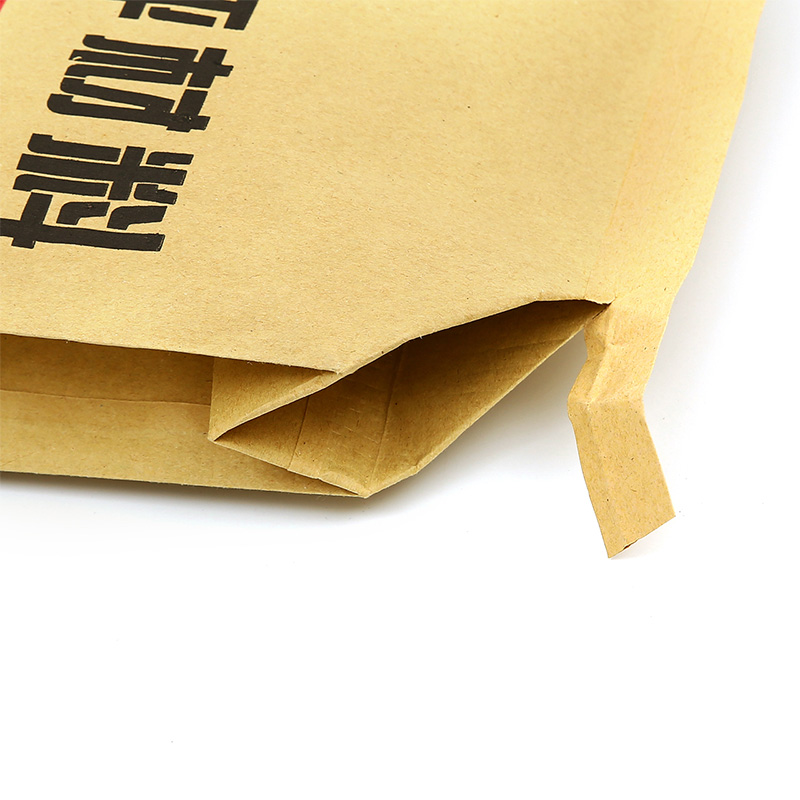
Structural Features That Support Safe Lifting
A key factor in reducing risk during loading is the structural integrity of the bags themselves. Industrial Bulk Bags are usually made from woven polypropylene fibers, which create a tough, tear-resistant material capable of holding substantial weight. Reinforced stitching and integrated lift loops allow forklifts or cranes to move fully loaded bags without causing deformation or damage. This prevents spills and material loss while also reducing the likelihood of accidents associated with unstable loads. The bags' ability to maintain shape under weight helps ensure consistent handling and stacking, which contributes to safer operations overall.
Practical Elements for Handling and Transport
Industrial Bulk Bags include features that enhance safety during loading and unloading, offering practical solutions for everyday operational challenges:
- Lift loops positioned for balanced lifting: Prevent tilting or uneven load distribution.
- Inner liners for sensitive materials: Provide an additional barrier to protect food additives from contamination or moisture.
- Flexible sizing options: Allow bags to fit storage racks or pallets efficiently, supporting organized handling.
These elements help warehouse staff manage heavy loads with less risk of injury or product damage. They also simplify the use of mechanical equipment, creating a smoother workflow during transfer between storage areas or transport vehicles.
Reducing Environmental Exposure During Handling
Food additives are sensitive to environmental factors such as moisture, dust, and temperature changes. Industrial Bulk Bags help limit exposure by providing a partially protective barrier during loading and movement. The woven polypropylene construction, often combined with liners, can reduce contact with external contaminants and moisture. This is particularly useful when bags are handled outdoors or moved through areas with variable environmental conditions. By maintaining a more controlled environment inside the bag, the packaging supports both safety for workers and quality preservation of the additives.
Adaptable Stacking and Storage Arrangements
Warehouse safety during loading also depends on how materials are stored and organized. Industrial Bulk Bags are designed to be stackable and flexible in shape, allowing operators to arrange them in ways that reduce tipping or shifting risks. Their consistent size and structure support even weight distribution when multiple bags are placed on pallets, which helps prevent accidents during lifting or transport. Flexible stacking arrangements also allow for better use of available space without increasing strain on handling equipment.
Supporting Operational Efficiency
While safety is a priority, ease of use is equally important for reducing operational risk. Industrial Bulk Bags are relatively lightweight when empty and easy to maneuver, which helps staff prepare and position them for loading without excessive effort. Combining light handling with robust strength allows for smoother coordination between manual and mechanical processes, reducing delays and the likelihood of mishaps. This balance between manageable weight and durable structure contributes to a more organized and controlled workflow during loading operations.