


 English
 Español
 عربى
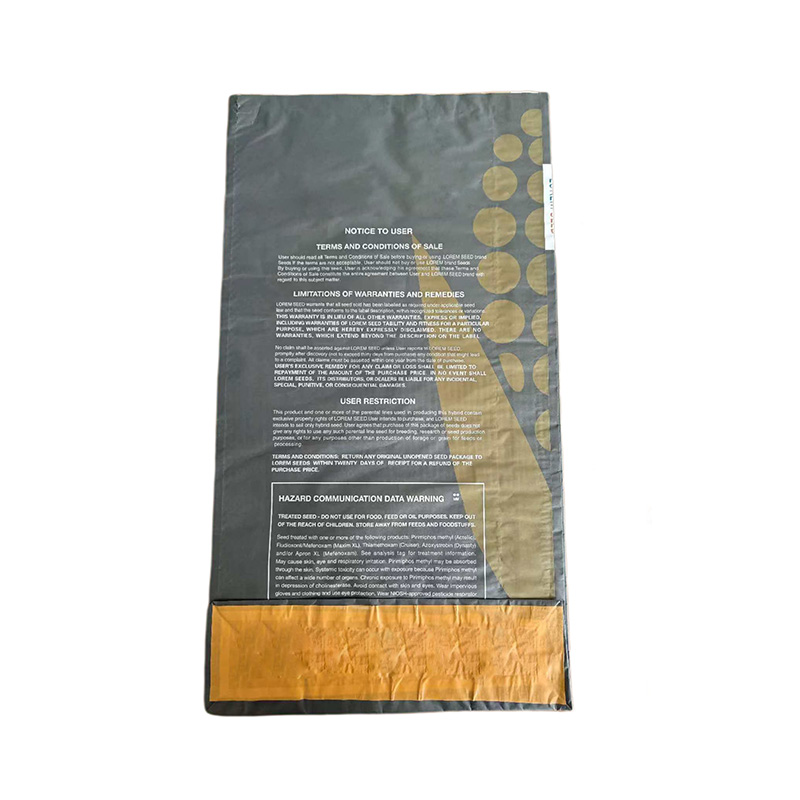
عربىPet food packaging needs to address containment, protection from external elements, and compliance with relevant standards to support product integrity from production to consumer use. As a packaging bag manufacturer, offering color-printed laminated woven bags provides features that align with these considerations for dry pet food applications. These bags combine woven polypropylene construction with lamination and printing to handle the demands of kibble, treats, or similar products.
Material Compliance for Food Contact
Color-printed laminated woven bags typically use polypropylene resin that meets food contact regulations. This applies to pet food packaging in the same manner as human food materials, ensuring no unintended migration of substances into the contents. The lamination, often BOPP film, uses food-grade adhesives and films to maintain this compliance. When selecting a manufacturer, request documentation confirming the resin and lamination components carry appropriate approvals, and verify through certificates of analysis that batches align with these standards. This step helps confirm the bags suit dry pet food without introducing regulatory concerns.
Barrier Properties Against Moisture and Contaminants
The lamination layer in these bags creates a surface that limits moisture ingress, which can affect kibble texture or promote mold in humid conditions. Woven polypropylene provides a base structure, while the laminated exterior adds a barrier against external humidity, dust, or minor spills during transport and storage. For pet food stored in warehouses or retail backrooms, this helps preserve dryness and nutritional quality over the shelf period. In practice, compare lamination specifications—like film thickness and type—to storage environment humidity levels, and conduct simple tests such as placing filled samples in controlled high-humidity settings to observe any changes in contents or bag performance.
Protection from Physical Damage
The woven fabric offers tensile strength and puncture resistance, supporting fills from 5 kg to 50 kg common in pet food bags. This construction withstands rough handling during palletizing, shipping, or shelf stocking without frequent tears or bursts. The square-bottom or block-bottom options available in some designs enhance stability when stacked or displayed, reducing shifting that could stress seams. To apply this, match weave density (measured in denier) and overall bag weight rating to product fill levels, then perform drop or stack tests on prototypes to evaluate integrity under anticipated conditions.
Clear and Durable Labeling
Color printing on the laminated surface allows for product details, ingredient lists, nutritional information, feeding guidelines, and hazard warnings to remain visible and intact. The smooth lamination protects inks from smudging due to handling or minor abrasion in retail environments. When designing, provide artwork with sufficient resolution, and request printed samples to check legibility under typical store lighting and after simulated wear.
Filling and Sealing Compatibility
These bags often come in open-mouth or valve styles, accommodating automated filling lines used for pet food production. Valve options allow controlled filling of kibble or granules with reduced dust escape, while heat-sealable or sewn closures provide secure containment post-filling. The laminated exterior maintains a clean appearance after sealing. Coordinate bag dimensions and closure type with existing equipment, and run production trials to ensure consistent fill rates, seal strength, and minimal residue on the exterior.
Handling and Shelf Presentation
In retail settings, the upright stance from square-bottom designs keeps bags stable on shelves, displaying printed graphics forward for customer visibility. The lightweight material compared to some alternatives eases transport to stores and shelving by staff. Printed surfaces resist dust buildup to a degree, simplifying maintenance. Measure shelf configurations against bag sizes to ensure fit, and arrange displays to observe how stability and print clarity influence product presentation.
Cost and Supply Chain Factors
Polypropylene-based laminated woven bags involve material costs tied to resin prices, lamination processes, and printing complexity. Lightweight construction can influence shipping fees for filled units. Larger order volumes may adjust per-unit pricing. When budgeting, include costs for compliance documentation, custom printing, and any testing, then compare against packaging volume to identify practical efficiencies.
Recyclability Considerations
Many of these bags use recyclable polypropylene components, with lamination sometimes separable in processing facilities. Including recycling symbols in the print design can guide consumers on disposal options. Check with suppliers for material recyclability details to align with regional programs or retailer preferences.
Color-printed laminated woven bags from a packaging bag manufacturer address key safety aspects for pet food through compliant materials, protective barriers, physical durability, and clear information display. This combination supports consistent handling and preservation across the supply chain for dry pet food products.