


 English
 Español
 عربى
عربىPackaging demand across the food and chemical sectors continues to expand as supply chains become more diversified and product categories increase. Within this context, a Valve Bag Manufacturer plays an important role in supporting different material handling requirements, while a Soft Packaging Food Bag reflects flexible packaging trends that influence multiple downstream applications.
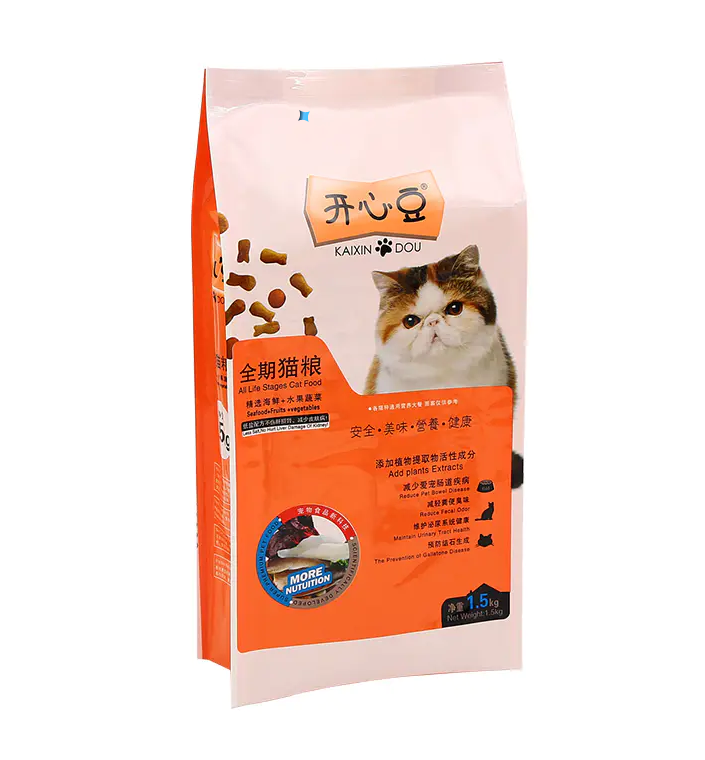
Expanding Applications in Food Industry Packaging
Food-related packaging requires careful consideration of hygiene, material compatibility, and barrier protection. Dry ingredients such as flour, sugar substitutes, and powdered additives often rely on valve-style packaging formats when bulk handling is involved.
In these applications, controlled filling is essential to reduce contamination risks and maintain product consistency. Packaging materials must also comply with food-contact requirements and support safe storage conditions during transportation and warehousing.
Valve bag structures used in food applications often include protective inner layers that help reduce moisture absorption. This is particularly important in environments where humidity levels may affect product stability.
Chemical Industry Packaging Requirements
Chemical products introduce additional packaging challenges due to their reactive or sensitive nature. Powders and granular compounds used in industrial processes require packaging that can limit exposure to air and moisture.
Valve bags used in this sector are designed to provide stable containment during filling and discharge. The controlled valve system helps reduce dust release and improve handling safety during industrial operations.
Different chemical materials may require different barrier levels, influencing material selection and bag structure design. Multi-layer constructions are often used to balance durability and protective performance.
Production Capacity and Process Development
As demand grows, production systems for valve bags continue to evolve. Manufacturing processes increasingly focus on consistent output, material flexibility, and compatibility with automated filling systems.
A Valve Bag Manufacturer may adjust production lines to support multiple material types, including paper-based layers and woven composites. This allows a wider range of applications across industries without significant changes in core production infrastructure.
Customization and Functional Adaptability
Customization plays a key role in both food and chemical packaging markets. Different industries require variations in bag size, valve type, sealing structure, and printing design.
For example, food packaging applications may prioritize clean design and clear labeling, while chemical applications may emphasize handling instructions and safety information. These requirements influence how packaging solutions are developed and produced.
Soft packaging concepts, including Soft Packaging Food Bag designs, also highlight the importance of flexible structures and multi-layer protection systems. Although used in different market segments, similar engineering principles apply.
Market Diversification Trends
The expansion of valve bag applications into the food and chemical industries reflects broader diversification in packaging demand. Rather than being limited to construction materials, valve bags are now integrated into multiple supply chains where bulk powder handling is required.
This diversification supports more efficient logistics systems and allows packaging suppliers to serve a wider range of industrial sectors.
Valve bag production continues to adapt to changing requirements in the food and chemical industries. With increasing emphasis on material safety, packaging efficiency, and structural adaptability, both valve bag and flexible packaging systems continue to evolve across different application environments.