


 English
 Español
 عربى
عربىIndustrial packaging requirements for cement and powder-based materials continue to evolve alongside construction and manufacturing activities. In this context, a Valve Bag Manufacturer plays a key role in providing packaging formats designed for efficient filling, stable storage, and reliable transportation across various heavy-duty applications. At the same time, a Soft Packaging Food Bag solution reflects how flexible packaging concepts are also influencing adjacent industries where dust control and sealing performance are important.
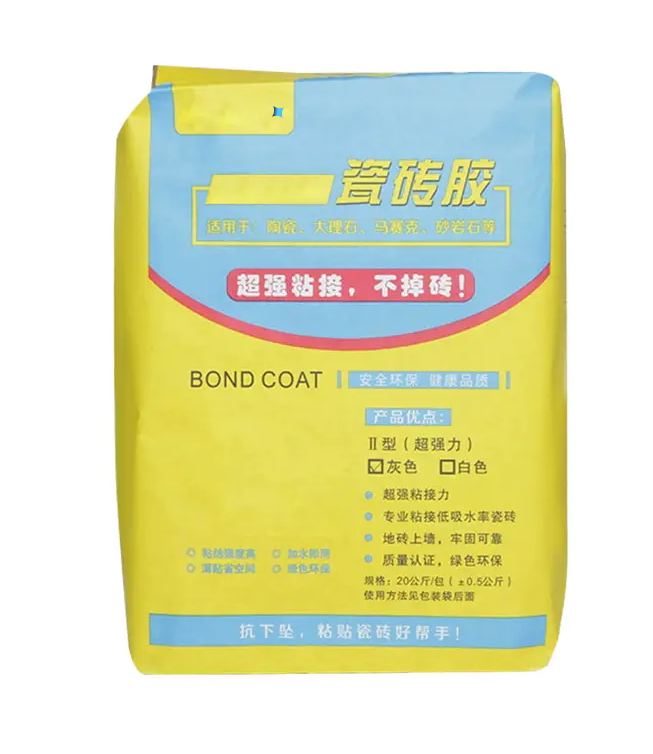
Growing Demand in Cement Packaging Applications
Cement packaging requires materials that can handle fine particles while supporting fast filling operations. Valve bags are widely used in this field due to their structured filling port design, which allows controlled loading and reduced material leakage during handling. In many production environments, cement is transported in large volumes, making packaging consistency an important factor in maintaining workflow efficiency.
The valve structure helps guide material flow into the bag without requiring additional sealing steps during filling. This reduces manual handling and supports more stable packaging lines. In addition, stacking stability after filling is another important requirement, especially during warehouse storage and transportation over long distances.
Powder Material Packaging Requirements
Beyond cement, powder-based materials such as mineral compounds, construction additives, and industrial fillers also rely on valve bag formats. These materials often have fine particle structures that can easily become airborne if not properly contained. Packaging solutions must therefore focus on dust control and containment integrity.
Valve bags help reduce exposure during filling and transfer stages. Depending on the application, different inner and outer material combinations are selected to match product characteristics. Some materials require higher moisture resistance, while others prioritize breathability or cost efficiency in large-scale distribution.
Structural Variations and Material Selection
Valve bags are typically produced using paper-based layers, woven polypropylene, or multi-layer composite structures. Each material type serves different performance requirements. Paper-based structures are often selected for dry industrial powders, while woven variants are used in situations where additional tensile strength is required.
The valve opening itself may vary in design depending on the filling equipment used. Some systems rely on internal pressure filling, while others use mechanical insertion methods. These differences influence the final bag configuration chosen by manufacturers and end users.
Manufacturing Process Considerations
Production processes for valve bags generally involve material layering, forming, valve integration, and sealing. Quality consistency is important in ensuring that bags maintain their shape during filling and transportation. Printing and surface treatment may also be included depending on branding or identification requirements.
A Valve Bag Manufacturer typically evaluates multiple factors during production, including material thickness, air permeability, and load-bearing behavior. These factors help ensure compatibility with industrial filling systems and reduce operational interruptions.
Application Expansion Across Industries
While cement remains a primary application area, powder-based industries continue to expand their use of valve packaging formats. This includes chemical processing, construction materials, and mineral-based products. The adaptability of valve bag structures supports this diversification.
Soft packaging concepts, such as those seen in Soft Packaging Food Bag systems, also influence industrial packaging development by emphasizing sealing performance, contamination control, and material flexibility. Although application environments differ, similar packaging principles are often applied.
Valve bag packaging continues to support a wide range of cement and powder-based material handling needs. With evolving industrial requirements, both structure and material selection remain important in maintaining packaging efficiency and product protection across different supply chains.