


 English
 Español
 عربى
عربىGrowing demand for stable and practical packaging has encouraged many industries to consider the Paper-Plastic Composite Bag and the Multi-Layer Paper Packaging Bag for transporting bulk products. These two packaging formats support handling tasks in different logistics environments by combining strength, protective layers, and adaptable design. Their structures help maintain product condition during movement, storage, and transit, which is essential for businesses managing large quantities of materials.
Agricultural Storage and Long-Distance Transport
Agricultural logistics often involve bulk commodities such as grains, seeds, feed, and powdered additives. These products require packaging that can withstand stacking pressure, repeated handling, and varying environmental conditions. The Paper-Plastic Composite Bag offers a mixed-layer structure that helps protect contents from moisture during storage in large warehouses or during long-distance shipment by truck or vessel.
Multi-Layer Paper Packaging Bags are frequently used in agricultural depots for their strong kraft paper design, which performs well when stacked on pallets or stored in multi-tier racking. Their structured shape helps maintain stability when loaded into cargo containers or transferred between distribution centers. These features support a smoother flow of agricultural goods through transportation chains where handling frequency is high.
Industrial Powders and Construction Materials
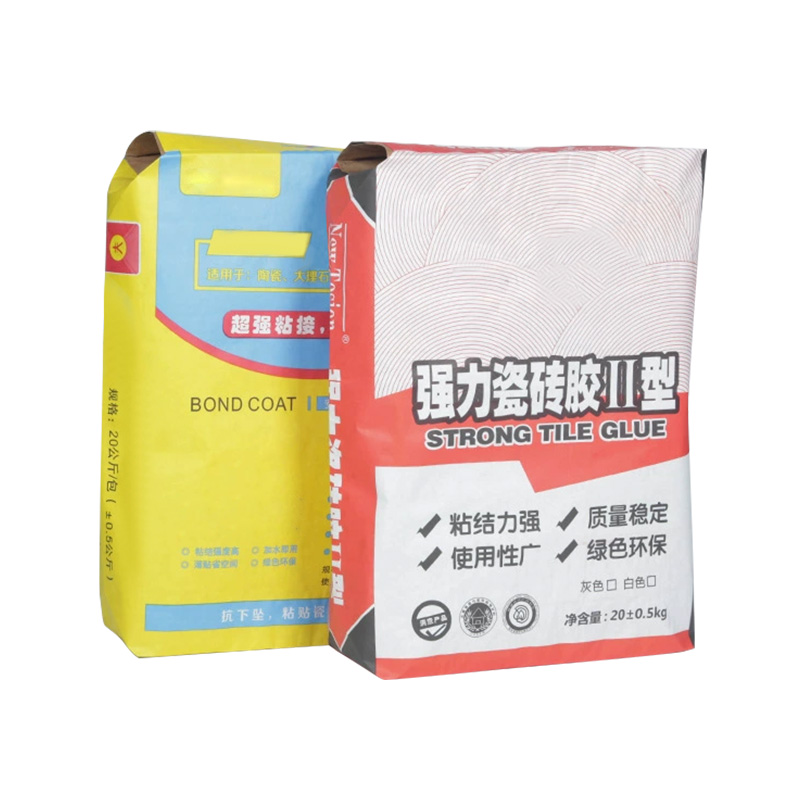
Industries dealing with cement powder, additives, gypsum, dry mortar, or mineral-based products rely heavily on packaging that can manage dense, heavy materials. Paper-Plastic Composite Bags are commonly selected for these sectors because the plastic inner layer reduces the risk of seepage when fine powders settle during transport. This helps maintain cleaner transport vehicles and reduces product loss.
Multi-Layer Paper Packaging Bags support construction logistics by offering a sturdy outer structure that can handle mechanical contact during forklift loading, conveyor transfers, or pallet stacking. Their layered design reduces the likelihood of tearing when bags are pushed or repositioned on rough warehouse surfaces, making them suitable for factory-to-site deliveries where frequent transfers are expected.
Food Processing and Bulk Ingredient Supply
Bulk ingredients such as flour, starch, sugar, seasoning blends, and processed grains require packaging that balances protection with practicality. The Paper-Plastic Composite Bag provides a barrier that helps reduce the impact of humidity during warehouse storage. This is useful for food-processing facilities that store seasonal stock or operate in regions with changing weather patterns.
The Multi-Layer Paper Packaging Bag, with its robust kraft construction, allows easy labeling and clear product identification, which is especially important in food logistics where batch tracking is part of daily operations. Their relatively lightweight structure also helps streamline manual handling when ingredients are delivered to production lines or distributed to secondary processors.
Chemical and Mineral Product Distribution
Many chemical and mineral-based goods—such as fertilizers, additives, pigments, salts, and neutral industrial granules—are sensitive to contamination or moisture. The Paper-Plastic Composite Bag supports these conditions by providing resistance to damp environments, which may occur in coastal storage facilities, outdoor logistics yards, or shipping terminals.
The Multi-Layer Paper Packaging Bag is often used when breathability is needed or when goods do not require a complete moisture barrier. Warehouses that handle chemicals in granule form appreciate the consistent shape of these bags, which supports straightforward stacking and reduces pressure points that can weaken packaging during long-term storage.
Export Logistics and Container Loading
Cross-border shipments demand packaging that remains stable during container movement, vibration, and compression. Both bag types help maintain consistency in export packaging lines because they hold their shape under palletization and allow efficient use of container space.
The Paper-Plastic Composite Bag is well-suited for materials that undergo long ocean journeys where humidity levels may change. Meanwhile, Multi-Layer Paper Packaging Bags are widely used in export packing plants because of their adaptability to conveyor-assisted filling and stable stacking capabilities. The structured bag surfaces also make it easier to apply printed identification required for customs or destination labeling.
Warehouse Operations and Internal Transfers
Bulk logistics involve not only transportation but also daily warehouse activities such as unloading, sorting, repackaging, and short-term storage. Warehouses benefit from packaging that can withstand repeated handling across forklifts, pallets, and automated systems. Both bag types perform well in these environments due to their balanced toughness and surface texture, which supports conveyor movement without slipping excessively.
Their compatibility with automated palletizing machines is another advantage in facilities transitioning to semi-automated or fully automated logistics solutions. Bags that maintain consistent size and shape help reduce disruptions in stacking patterns, supporting smoother internal movement.