


 English
 Español
 عربى
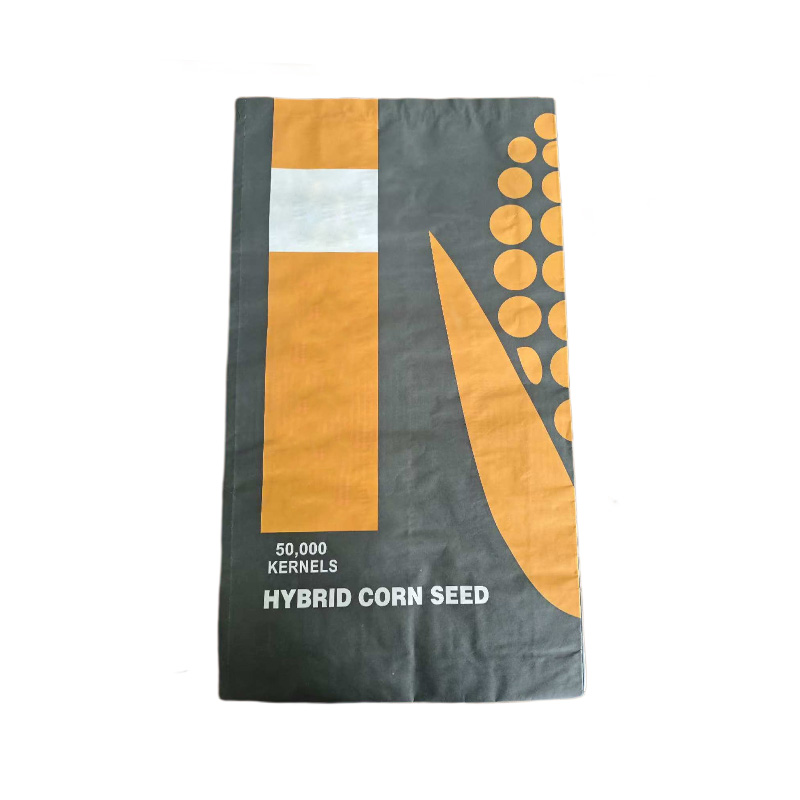
عربىA growing number of warehouses are adjusting their material handling strategies to reduce product loss, improve storage stability, and support smoother internal logistics. In this process, both the Paper-Plastic Composite Bag and the Multi-Layer Paper Packaging Bag are being adopted due to their balanced strength, protective design, and adaptability to different storage conditions. Their structural features support handling tasks from receiving to dispatch and help warehouse teams manage inventory with fewer disruptions.
Strength and Stability Supporting Daily Handling
Warehouses often deal with products that vary in density, weight, and sensitivity. Bags that collapse, tear, or deform during movement can slow down operations. The Paper-Plastic Composite Bag offers a layered structure combining the toughness of plastic film with the rigidity of paper. This layout helps the bag maintain its shape under stacking pressure, reducing the chances of shifting loads on pallets or shelves.
The Multi-Layer Paper Packaging Bag, built with several kraft paper layers, provides similar strength with a different approach. Each layer contributes to resistance against tearing and surface abrasion, which is useful when bags are pushed, lifted, or slid across different handling surfaces. These characteristics allow workers to move materials with fewer interruptions caused by packaging damage.
Better Protection Against Moisture and Contamination
Warehouse environments are not always fully controlled. Seasonal humidity, dust, and accidental spills can influence stored goods. The Paper-Plastic Composite Bag contains a plastic inner layer that adds a barrier against moisture, reducing the risk of clumping, swelling, or contamination for items such as powders, grains, or industrial materials.
For storage zones that experience temperature changes or air movement, this protective layer helps maintain product stability without requiring additional covers or containers. Multi-Layer Paper Packaging Bags offer a more breathable structure while still maintaining reasonable protection, making them suitable for goods that require air circulation but still need basic shielding during handling and transit inside the warehouse.
Efficient Stacking, Palletizing, and Space Management
Warehouses rely heavily on efficient spatial planning. Both bag types support neat stacking due to their structured surfaces and reinforced bases. The squared or gusseted bottom commonly used in Multi-Layer Paper Packaging Bags allows them to stand firmly on conveyor belts or sorting tables, which simplifies manual and automated filling.
When palletizing, stable bag geometry helps create uniform layers, reducing the risk of pallet leaning or collapse during forklift transport. Paper-Plastic Composite Bags maintain their shape well even under long-duration storage, reducing the need for frequent restacking. This is particularly helpful in high-density storage areas where every pallet position must be secure to prevent workflow interruptions.
Improved Handling on Conveyors and Automated Systems
Many warehouses use automated conveyors, sorting lines, or robotic palletizers. Packaging with a consistent surface texture and predictable shape improves compatibility with these systems. The paper exterior of both bag options offers enough friction to prevent excessive slipping while moving along belts, yet it is smooth enough to avoid jamming sensors or rollers.
For automated bagging and sealing lines, the Paper-Plastic Composite Bag’s inner plastic layer supports controlled filling, which helps maintain a balanced weight distribution throughout the bag. This reduces the likelihood of uneven loads that can interfere with conveyor alignment or robotic gripping.
Customization Supporting Identification and Workflow Control
Warehouse efficiency often depends on fast recognition of product categories, batch information, and handling notes. Both types of bags support customized printing, which allows suppliers or warehouse teams to label products clearly without additional stickers or external tags.
Customizable elements may include:
Handling instructions for safe stacking
Product category labels to streamline inventory picking
Barcodes or QR codes for warehouse management systems
Color-coded prints to distinguish different material groups
These features help reduce time spent identifying goods and lower the risk of misplacement.
Adaptability for Different Material Types
Warehouses that manage both bulk materials and finished products benefit from packaging that adapts to varied contents. The Paper-Plastic Composite Bag is suitable for fine powders, chemical granules, or any item that requires extra shielding. The Multi-Layer Paper Packaging Bag works well for agricultural materials, food products, construction powders, or items that benefit from breathability.
This adaptability allows warehouses to standardize part of their packaging while still meeting product-specific requirements. A more unified packaging system helps streamline stocking procedures, reduces training time for new staff, and supports more predictable movement patterns during daily operations.