


 English
 Español
 عربى
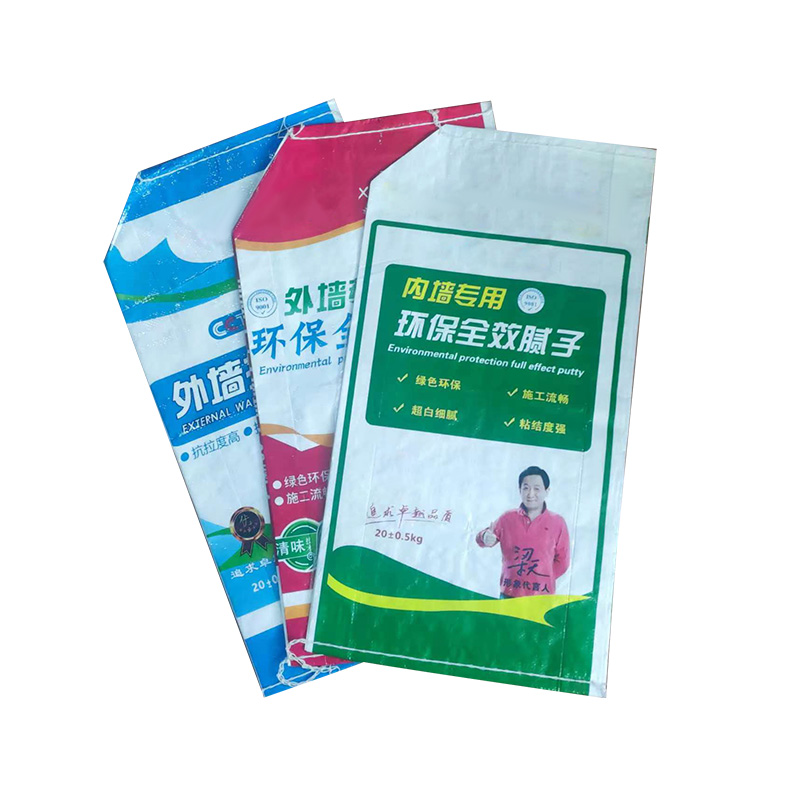
عربىPackaging choices for chemical products often focus on containment, protection during handling, and clear identification. As a packaging bag manufacturer, producing color-printed laminated woven bags offers features suited to these requirements. These bags use woven polypropylene fabric with a laminated layer and applied printing, providing a combination of material properties that address common needs in chemical packaging.
Containment and Leak Prevention
Color-printed laminated woven bags incorporate a lamination layer, typically BOPP or similar film, over the woven polypropylene base. This creates a barrier that helps contain fine powders, granules, or other chemical forms, reducing the risk of leakage during filling, transport, or storage. For products like fertilizers, pesticides, or industrial chemicals, the sealed surface limits dust escape and prevents external contaminants from entering. In practice, this supports safer handling in facilities where spills could affect operations or safety protocols. To evaluate this aspect, check the lamination thickness and seal quality on sample bags, and test with the specific chemical to observe any interaction or permeation over time.
Resistance to Environmental Factors
The polypropylene material in these bags shows resistance to many chemicals, acids, alkalis, and solvents commonly encountered in the industry. The lamination adds further protection against moisture, which can degrade certain chemicals or cause clumping in powders. During outdoor storage or long-haul transport, this helps maintain product condition without significant absorption of humidity. UV exposure, which might affect some contents over extended periods, is also mitigated to a degree by the laminated surface. Businesses can assess this by exposing filled test bags to simulated conditions, such as controlled humidity chambers or sunlight exposure, to monitor changes in bag integrity or product quality.
Strength for Handling and Stacking
The woven structure provides tensile strength that supports heavier fills typical in chemical packaging, such as 25-50 kg bags for fertilizers or similar products. This allows stacking in warehouses or on pallets without frequent deformation or rupture under load. The lamination reinforces the fabric against punctures from sharp edges or rough handling during loading and unloading. In retail or distribution settings, bags maintain shape when palletized or shelved, reducing downtime from repackaging damaged units. Practical application involves matching bag specifications—like weave density and denier—to the product's weight and granule size, then conducting drop or compression tests to confirm performance under expected stresses.
Identification Through Printing
Color printing on the laminated surface allows inclusion of product names, hazard symbols, handling instructions, batch numbers, or regulatory markings directly on the bag. The smooth lamination supports clear, durable prints that resist smudging from contact or minor abrasion. This helps ensure information remains visible throughout the supply chain, aiding compliance with labeling requirements in chemical distribution. For users, this reduces the need for separate labels that might peel or detach. When preparing designs, use vector files for sharp details, and request color proofs to verify legibility under different lighting, such as warehouse fluorescents or outdoor daylight.
Compatibility with Filling Processes
Many color-printed laminated woven bags accommodate valve or open-mouth designs, which suit automated or semi-automated filling lines used for chemicals. The valve option enables dust-controlled filling for powders, while the laminated exterior maintains a clean appearance post-sealing. This setup supports efficient operations in plants handling bulk chemicals, where speed and containment matter.
Cost and Operational Aspects
These bags use polypropylene, a material with established production costs that remain consistent across volumes. The lightweight construction compared to some rigid containers contributes to lower transport expenses for filled units. Direct printing eliminates additional labeling steps in many cases, streamlining the packaging process. When budgeting, calculate per-unit costs including lamination and printing, and factor in order quantities for potential adjustments. Reusability in non-hazardous applications or returnable systems can further influence overall expenses, depending on the chemical type and handling regulations.
Recyclability and Material Considerations
Polypropylene-based laminated woven bags often qualify for recycling in facilities that process similar plastics, with the woven and laminated components separable in some systems. Printing inks formulated for recyclability can support end-of-life processing. Businesses in regions with recycling programs can include appropriate symbols on the print to inform users. Checking with suppliers for material composition details helps align with specific disposal or recovery guidelines relevant to chemical packaging.
Color-printed laminated woven bags contribute practical value to chemical packaging by combining containment, material resistance, handling strength, and clear identification in a single format. This supports consistent performance across storage, transport, and end-use stages for various chemical products.