


 English
 Español
 عربى
عربىEfficient packaging operations depend heavily on equipment compatibility and consistent materials. Valve Bags and Global Packaging Compliance contribute to maintaining accuracy on automated packaging lines. These bags are designed to work with automated filling and sealing systems, providing consistent weight, shape, and valve placement, which helps reduce errors during bulk material handling while ensuring compliance with international packaging standards.
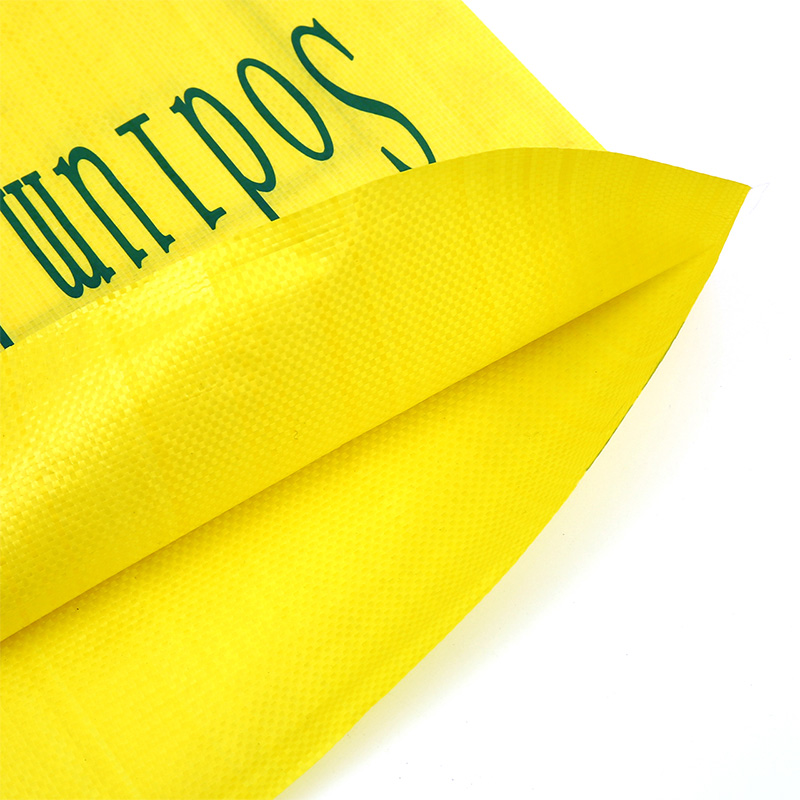
How Valve Bags Integrate With Automated Lines
Valve bags are tailored to meet the mechanical and operational requirements of automated packaging equipment. Their design allows for precise filling, seamless valve closure, and consistent stacking, which supports smooth workflow throughout the production line. Key considerations include:
Standardized Dimensions: Ensures that the bags fit properly into automated machines without causing jams or misalignments.
- Valve Placement: Consistent valve position facilitates accurate filling and reliable sealing.
- Material Strength: Multi-layer kraft paper or polypropylene construction withstands mechanical stress from conveyors and stacking.
- Surface Finish: Smooth exterior surfaces allow easier handling by robotic arms and automated palletizing equipment.
Maintaining Accuracy While Meeting Global Standards
Adhering to Global Packaging Compliance ensures that bulk materials like cement, chemicals, or powders are packaged in a way that meets international shipping regulations. Compliance considerations include material type, labeling, weight accuracy, and bag integrity.
Automation accuracy depends not only on machine settings but also on the consistency of the packaging material. Valve bags that conform to packaging compliance standards provide predictable behavior on filling lines, reducing variations in weight, sealing, and placement.
Storage and Handling Practices for Automated Lines
Proper storage and handling of valve bags are critical to maintain line efficiency and reduce operational interruptions:
- Environment: Keep bags in dry, ventilated areas to maintain material integrity.
- Inspection: Regularly check for damaged or misaligned valves that could cause filling errors.
- Pallet Organization: Ensure that bags are stacked uniformly to allow smooth machine pickup.
|
Feature |
Benefit for Automation |
|
Standard dimensions |
Fits automated filling and palletizing lines |
|
Consistent valve design |
Allows accurate sealing and filling |
|
Multi-layer construction |
Withstands mechanical stress from conveyors |
|
Smooth exterior |
Facilitates robotic handling |
FAQ on Valve Bags and Automated Packaging
Q1: Can valve bags handle different types of powders on the same line?
A1: Yes, but bag material and valve specifications should match the powder characteristics to avoid flow or sealing issues.
Q2: What role does Global Packaging Compliance play in automated lines?
A2: Compliance ensures bags meet international material, labeling, and weight standards, which prevents regulatory problems during transport.
Q3: Are valve bags reusable on automated lines?
A3: They are generally intended for single use, as the sealing valve is designed for one-time closure. Reuse may compromise line efficiency.
Q4: What is a great way to inspect bags before use?
A4: Check for tears, creases, or valve misalignment. Bags that are deformed may not feed correctly into filling machines.
Q5: Can valve bags support high-speed filling operations?
A5: Yes, when dimensions, valve placement, and material strength are consistent, the bags are compatible with faster automated filling lines.
Valve bags play a practical role in supporting automated packaging operations, combining material consistency with regulatory compliance to maintain accuracy and reduce handling issues. Their design simplifies integration with filling machines and palletizing equipment, helping operations remain smooth and predictable.