


 English
 Español
 عربى
عربىTransporting industrial goods requires careful attention to packaging standards to avoid damage, spillage, or regulatory issues. Valve Bags and Global Packaging Compliance provide a structured approach to handling bulk materials, ensuring that goods move safely from production facilities to distribution centers. These elements address operational concerns while helping shipments meet international regulations, contributing to consistent handling practices across different logistics environments.
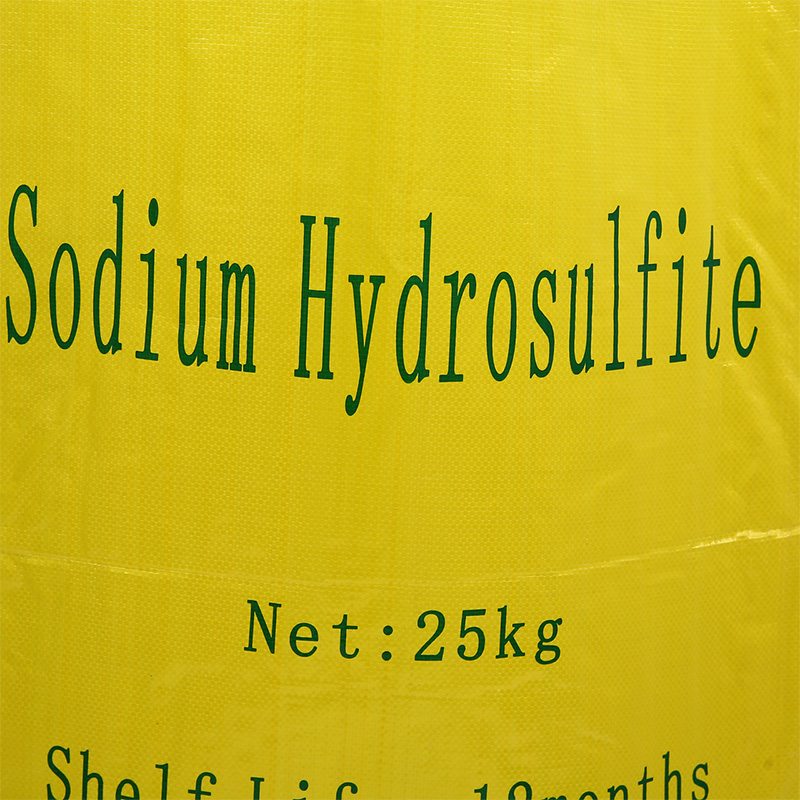
Key Considerations for Packaging Industrial Goods
Understanding how packaging interacts with industrial materials is essential for maintaining safety and efficiency. Valve bags serve as a practical solution for bulk powders, chemicals, and granular products, allowing for controlled filling and secure sealing. Compliance with global packaging standards ensures that these bags meet weight, material, and labeling regulations, reducing delays during inspections and easing transportation across borders.
Practical considerations include:
- Material Selection: Multi-ply kraft paper or polypropylene bags resist tearing and withstand mechanical stress.
- Valve Design: Facilitates consistent filling and closure, preventing spillage during loading and unloading.
- Stacking and Storage: Standardized dimensions allow for uniform stacking and compatibility with automated handling equipment.
- Moisture Control: Inner linings or coatings reduce absorption, helping maintain the quality of sensitive products.
How Compliance Supports Operational Efficiency
Adhering to Global Packaging Compliance affects not only legal requirements but also day-to-day operational performance. Packages that meet established standards simplify automated filling, palletizing, and transport processes. Standardized labeling and bag specifications allow warehouse staff and transport operators to manage inventory efficiently, reducing handling errors and unnecessary product loss.
Operational benefits of compliant packaging include predictable machine behavior on automated lines, consistent bag dimensions for stacking, and reduced risk of material damage during long-distance transport. Proper documentation and regulatory adherence also simplify cross-border shipping procedures.
Storage and Handling Practices
Maintaining the integrity of valve bags during storage and handling is critical to supporting safe transport:
- Environmental Conditions: Store in dry, ventilated areas to prevent moisture damage or bag deformation.
- Inspection Before Use: Check for tears, punctures, or valve misalignment that could compromise handling.
- Stacking Guidelines: Place bags uniformly on pallets to avoid pressure points and facilitate smooth loading.
Common Challenges in Industrial Transport
Even with compliant packaging, challenges such as uneven stacking, overloading, or handling mistakes can affect transport safety. Staff training on proper bag handling, machine calibration, and pre-shipment inspection are key steps to reduce operational disruptions. Regular monitoring of bag condition and packaging procedures helps maintain efficiency across different stages of the supply chain.
FAQ on Valve Bags and Global Packaging Compliance
Q1: Can valve bags be used for different types of industrial products?
A1: Yes, but bag materials and valve designs should match the product’s weight, moisture sensitivity, and flow characteristics.
Q2: How does Global Packaging Compliance affect international shipments?
A2: Compliance ensures bags meet regional and international standards for materials, labeling, and weight, simplifying cross-border logistics.
Q3: Are valve bags reusable after transport?
A3: They are generally designed for single-use due to the sealing mechanism. Reuse may compromise bag integrity and handling performance.
Q4: How can moisture affect transported goods?
A4: Moisture can alter product quality, especially for powders or granular goods. Using moisture-resistant bags and storing them in dry conditions reduces this risk.
Q5: What inspection steps should be taken before shipment?
A5: Check for valve alignment, tears, punctures, or deformation that could cause leakage or handling issues.
Q6: Do compliant valve bags support automated packaging lines?
A6: Yes, standardized bag dimensions and valve placement ensure consistent performance on automated filling and sealing equipment.