


 English
 Español
 عربى
عربىFlexible packaging continues to gain attention across the food industry as brands seek packaging formats that support product protection, transportation, and shelf presentation. A Soft Packaging Food Bag is commonly used for snacks, coffee, dried foods, and powdered ingredients because it offers adaptability for different product types. While serving a different market, innovations from a Valve Bag Manufacturer also demonstrate how packaging design can improve filling efficiency and material performance.
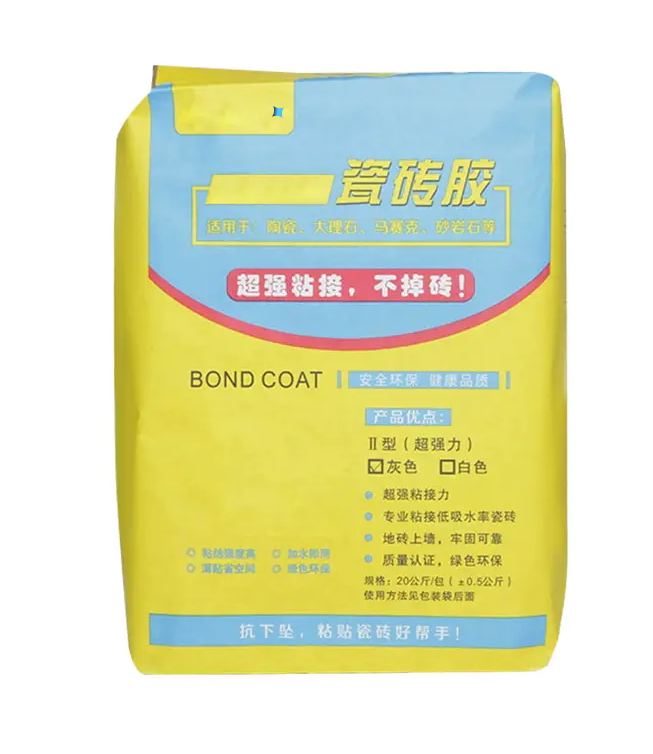
Growing Demand for Flexible Food Packaging
Food manufacturers are increasingly adopting flexible packaging to meet changing market requirements. Compared with rigid containers, flexible packaging can reduce storage space before filling and simplify logistics operations.
A Soft Packaging Food Bag is widely used because it can be produced in various sizes and structures. Different packaging formats help businesses package products efficiently while maintaining product quality throughout transportation and storage.
As food categories continue to expand, packaging suppliers are developing solutions tailored to specific product characteristics and distribution channels.
Material Structures for Food Protection
Material selection is an important part of food packaging design. Different products require different levels of protection against moisture, oxygen, and external contaminants.
Common structures may combine multiple layers to provide strength, sealing performance, and barrier protection. These layers work together to help maintain freshness and support product stability during storage.
The choice of materials often depends on factors such as product type, storage environment, and packaging objectives.
Printing and Branding Opportunities
Packaging serves both functional and marketing purposes. Food brands use packaging to communicate product information and strengthen brand recognition.
A Soft Packaging Food Bag can support customized printing, allowing businesses to display logos, product details, and visual designs directly on the package. Features such as matte finishes, gloss effects, and transparent windows may also be incorporated depending on packaging requirements.
Clear and attractive packaging designs help products stand out while providing consumers with useful information.
Functional Features for Consumer Convenience
Modern flexible packaging often includes features that improve usability.
Resealable Closures
Zipper systems allow consumers to open and close packages multiple times, making them suitable for snacks and dried foods.
Easy-Open Designs
Tear notches provide convenient package access without additional tools.
Stand-Up Pouches
Stand-up formats improve shelf visibility and provide stable storage after purchase.
Barrier Protection
Multi-layer structures help protect food products from moisture and air exposure during transportation and storage.
These features contribute to a practical packaging experience while supporting product protection.
Applications Across Food Categories
Flexible food packaging is used in many industries, including:
- Snack foods
- Coffee products
- Powdered beverages
- Dried fruits and nuts
- Baking ingredients
- Pet food products
Each category may require specific material structures and packaging features depending on product characteristics.
Industry Development and Packaging Innovation
Packaging suppliers continue to develop solutions that support evolving food industry needs. Improvements in materials, printing technologies, and production processes contribute to broader packaging options.
Packaging trends seen in industrial sectors served by a Valve Bag Manufacturer also highlight the importance of efficient filling systems, material reliability, and product protection. Although the applications differ, many packaging principles remain similar across industries.
A Soft Packaging Food Bag remains an important packaging solution for modern food products. Its flexibility, customization options, and protective features make it suitable for a wide range of applications. As food packaging requirements continue to evolve, flexible packaging is expected to remain a practical choice for manufacturers, distributors, and brands seeking reliable packaging formats.