


 English
 Español
 عربى
Fertilizer manufacturers and agricultural supply distributors are paying closer attention to packaging costs, material usage, and handling efficiency. Bags that are difficult to fill, inconvenient to stack, or prone to damage can create unnecessary work throughout the supply chain. For businesses sourcing Fertilizer Packaging, the challenge is to find a practical balance between material consumption, bag strength, and packaging performance. As a manufacturer, we focus on helping buyers select suitable bag structures that support stable filling operations and reliable product delivery.
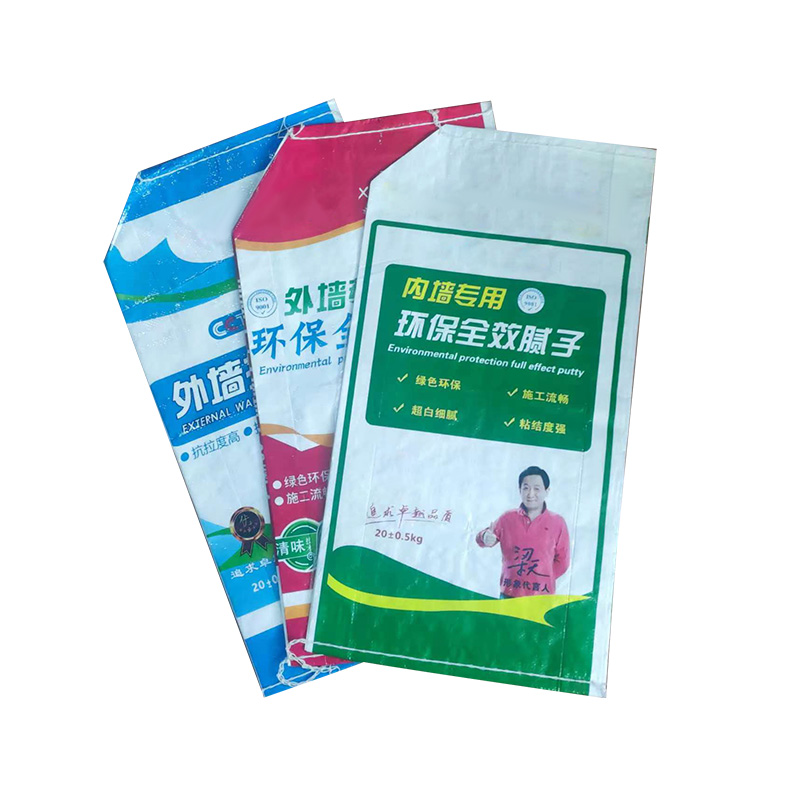
Choosing the Right Bag Size for Filling Operations
Incorrect bag dimensions can affect filling accuracy and create difficulties during storage. A bag that is too narrow may restrict material flow, while excessive space can make stacking and pallet arrangement less convenient.
When selecting bag dimensions, buyers should consider:
- Fertilizer density and particle size.
- Target filling weight.
- Filling equipment specifications.
- Pallet dimensions and stacking arrangements.
Matching bag size with actual production requirements helps reduce unnecessary material use and handling difficulties.
Balancing Fabric Weight and Load-Bearing Performance
Reducing packaging material does not mean choosing thinner fabric without considering product weight. Fertilizer bags must withstand lifting, stacking, and transportation, particularly when shipments pass through multiple handling stages. Woven PP fabric is widely used for this purpose because its structure provides useful tensile strength.
During specification discussions, we recommend evaluating fabric weight, weaving quality, seam construction, and lifting conditions together. This helps buyers avoid selecting bags that are inexpensive initially but unsuitable for their distribution process.
Reducing Material Loss During Bag Filling
Powder leakage and scattered granules can affect production cleanliness and increase material waste. These problems may result from poorly fitted filling openings, weak seams, or unsuitable bag structures.
For different filling systems, buyers can consider open-mouth woven bags, valve bags, or bags with inner liners. The appropriate option depends on fertilizer flow characteristics and equipment configuration. Testing the bag with the actual product before bulk production can help identify potential leakage points.
Making Printed Information Easier to Read
Fertilizer packaging often carries product names, grades, application instructions, handling information, and supplier details. If printed information is difficult to read or becomes damaged during transportation, distributors may face additional identification and inventory management problems.
Manufacturers should consider print positioning, ink adhesion, surface treatment, and contrast when developing customized bags. Buyers should also provide approved artwork and confirm the required information before production to reduce printing errors.
Considering Storage Conditions Before Choosing Packaging
Fertilizer bags may remain in warehouses for extended periods before distribution. Temperature changes, humidity, direct sunlight, and stacking pressure can all affect packaging performance.
For outdoor storage or transportation in exposed environments, buyers should evaluate UV-resistant materials, suitable lamination, and protective storage arrangements. An inner PE liner may also be considered when moisture sensitivity is a concern. Packaging specifications should reflect the actual storage environment rather than relying on general material descriptions.
Improving Packaging Efficiency Through Specification Standardization
For companies purchasing fertilizer bags in bulk, inconsistent dimensions or material specifications can complicate inventory management. Standardizing commonly used bag sizes, fabric structures, and printing layouts can make repeat orders easier to organize.
From our manufacturing perspective, maintaining clear product specifications also helps coordinate production, quality inspection, and order planning. Buyers can establish reference samples and approved technical requirements to reduce misunderstandings between purchasing and production teams.
Working with Suppliers Before Bulk Orders
A packaging supplier should understand more than the required bag size and printed design. Product type, filling equipment, storage environment, transportation methods, and target market all influence the final specification.
Before confirming an order, buyers should discuss material structure, seam strength, closure methods, printing details, and sample testing. A practical Fertilizer Packaging solution should meet the requirements of the actual fertilizer product while supporting efficient filling, safe handling, and dependable distribution. Working directly with a manufacturer makes it easier to coordinate these technical details before mass production.