


 English
 Español
 عربى
Fertilizer manufacturers and bulk distributors need packaging that can withstand storage, transportation, and repeated handling. However, problems such as moisture penetration, bag leakage, dust generation, and inconsistent filling can affect product quality and warehouse operations. For companies sourcing Fertilizer Packaging, selecting suitable bag materials and packaging structures is an important part of maintaining stable production and reliable delivery. As a manufacturer, we focus on the practical details that help buyers match packaging solutions with different fertilizer products and operating conditions.
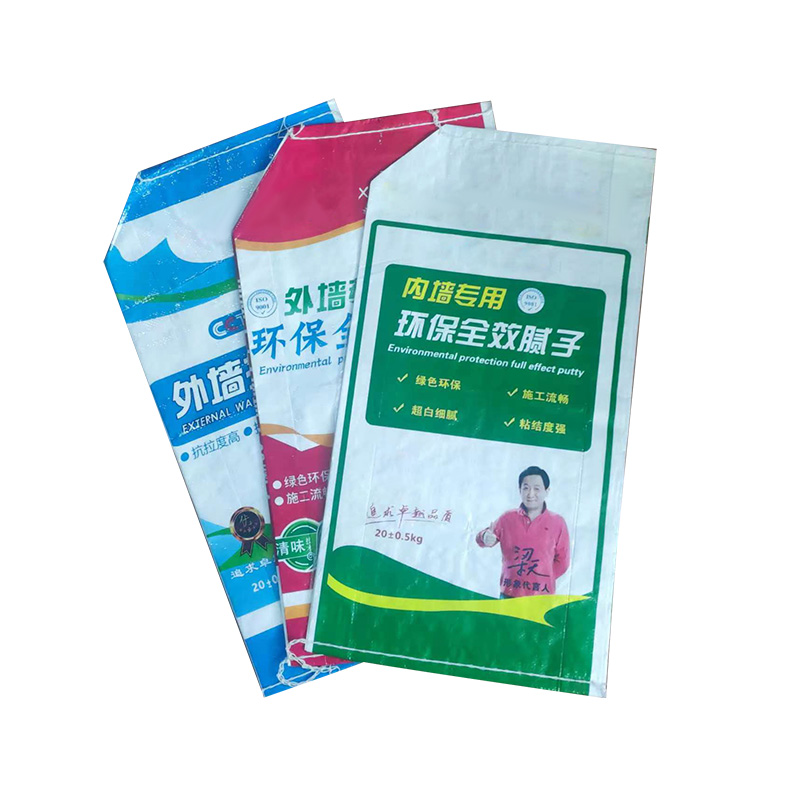
Selecting Bag Materials for Different Fertilizer Products
Not every fertilizer requires the same packaging structure. Granular fertilizers, powdered products, and blended fertilizers can have different requirements for strength, sealing, and moisture protection. Woven polypropylene (PP) bags are commonly used because of their tensile strength and resistance to handling damage. For products that need additional protection, laminated PP bags or an inner polyethylene (PE) liner can be considered. Material selection should be based on product characteristics, storage conditions, and transportation distance.
Preventing Moisture from Affecting Product Quality
Moisture exposure is a common concern during fertilizer storage and international transportation. Some fertilizers can absorb moisture from the surrounding environment, caking, reduced flowability, or difficulties during discharge. Packaging buyers should pay attention to film thickness, lamination quality, and sealing performance. For shipments passing through humid regions or experiencing long storage periods, a suitable moisture barrier can help maintain product condition.
Controlling Dust and Material Leakage During Filling
Dust escaping during bag filling creates housekeeping challenges and may cause material losses around production lines. This issue is particularly relevant when packaging fine powders or fertilizers with small particles. Buyers should evaluate the compatibility between bag openings and filling equipment. Valve bags, properly fitted filling spouts, and suitable closure structures can help reduce material leakage. The bag design should also allow consistent filling without interfering with production speed.
Matching Bag Closures with Filling Equipment
An unsuitable closure can cause problems even when the bag material itself is strong. Sewn openings are commonly used for woven bags, while heat-sealed inner liners provide an additional barrier against moisture and product leakage. Valve bags may suit automated filling systems that require controlled material entry.
When selecting a closure, manufacturers should consider:
- Filling machine type and operating method.
- Product flow characteristics.
- Required sealing performance.
- Handling conditions after filling.
These details help buyers avoid packaging compatibility problems during installation and daily production.
Considering Strength During Storage and Transportation
Fertilizer bags may experience repeated lifting, stacking, loading, and unloading before reaching distributors or agricultural suppliers. Weak seams, damaged corners, and inconsistent fabric quality can increase the risk of bag failure. As a packaging manufacturer, we recommend evaluating seam strength, fabric density, bag dimensions, and load-bearing requirements together rather than selecting packaging based on material cost alone. Pallet arrangement and warehouse conditions should also be considered when determining the appropriate bag structure.
Preparing Packaging for Changing Environmental Requirements
Packaging sustainability is becoming an important purchasing consideration, particularly for companies supplying the European market. The EU Packaging and Packaging Waste Regulation (PPWR) began applying on August 12, 2026, bringing additional requirements concerning packaging design, recyclability, and waste management. Buyers should therefore discuss material composition, packaging documentation, and recyclability with suppliers during product development.
European Commission+1
Working with a Manufacturer on Packaging Specifications
A reliable packaging solution starts with clear technical communication. Before placing a bulk order, buyers should confirm bag dimensions, material structure, printing requirements, closure type, and compatibility with existing filling equipment. Providing product samples or packaging specifications can also help manufacturers assess the required structure and identify potential production issues.
Choosing suitable Fertilizer Packaging is not simply a matter of selecting a bag. It involves balancing moisture protection, filling efficiency, transportation strength, and environmental requirements. Working directly with an experienced manufacturer allows buyers to discuss these details before production, helping them source packaging that fits their fertilizer products, equipment, and overseas distribution needs.