


 English
 Español
 عربى
Fertilizer products often pass through several stages of handling before reaching agricultural distributors, wholesalers, and end markets. During this process, bags may experience friction, compression, repeated lifting, and changes in temperature or humidity. Damaged seams, torn fabric, and leaking contents can create additional costs for suppliers and logistics teams. For businesses sourcing Fertilizer Packaging, transportation durability deserves as much attention as material selection and filling performance. As a manufacturer, we pay particular attention to bag construction and the details that affect packaging performance throughout the distribution process.
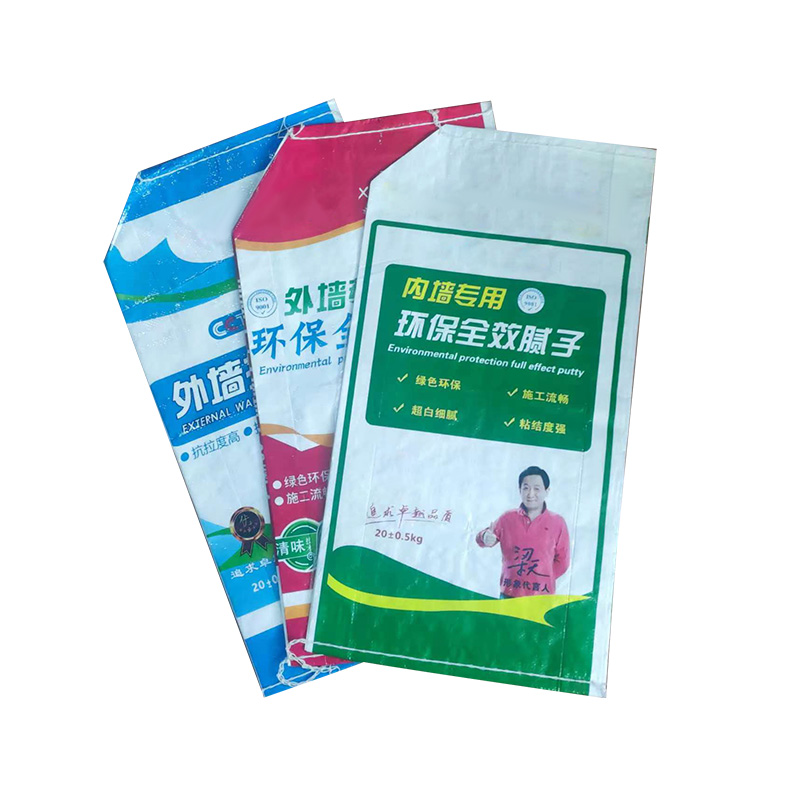
Understanding Common Causes of Bag Damage
Fertilizer bags can be damaged for different reasons, and not every problem originates from the fabric itself. Poor sewing quality, sharp pallet edges, excessive stacking pressure, and improper forklift handling can all contribute to packaging failure.
Buyers should identify where damage occurs before changing the entire packaging structure. For example, repeated tears near the bottom may indicate insufficient seam strength or unsuitable handling conditions, while damage along the sides may be related to friction during transportation.
Selecting Woven Fabric for Heavy Loads
Woven polypropylene bags are commonly used for granular and powdered fertilizer because their woven structure provides tensile strength and flexibility. However, fabric selection should reflect the actual product weight and transportation requirements.
When evaluating woven bags, buyers should pay attention to:
- Fabric density and thickness.
- Yarn quality and weaving consistency.
- Bag dimensions and construction.
- Resistance to friction during handling.
A suitable fabric specification helps maintain bag integrity without adding unnecessary material.
Paying Attention to Bottom Seam Construction
The bottom seam is an important part of a fertilizer bag because it carries considerable pressure when the bag is filled and lifted. Weak stitching or inconsistent sewing can result in leakage or sudden tearing.
Manufacturers should check stitch consistency, thread quality, seam positioning, and edge finishing during production. For buyers handling bulk fertilizer shipments, requesting samples and checking the filled bag under actual handling conditions can provide useful information about seam performance.
Reducing Friction During Pallet Loading
Bag surfaces can rub against one another during loading, unloading, and transportation. Repeated friction may damage printed areas or weaken exposed fabric, particularly when bags are stacked tightly.
Packaging design and warehouse practices should work together. Buyers can evaluate the following details:
- Bag surface finish and lamination.
- Pallet edge protection.
- Stacking arrangement and bag orientation.
- Stretch wrapping and load stability.
These measures help reduce unnecessary contact and movement during transportation.
Considering Moisture Protection for Overseas Shipments
Long-distance shipments may encounter different climatic conditions, especially when fertilizer moves through humid ports or remains in temporary storage. Moisture-sensitive products may develop lumps or experience changes in flowability if packaging protection is insufficient.
Laminated woven bags and inner PE liners are possible options, depending on the fertilizer formulation and storage environment. Buyers should also consider container ventilation, cargo protection, and warehouse conditions rather than relying entirely on the packaging material.
Establishing Practical Quality Inspection Procedures
Consistent inspection helps identify packaging defects before bags are delivered to customers. During manufacturing, attention should be given to fabric appearance, dimensions, printing quality, sewing, and closure performance.
For specific orders, buyers can discuss sample approval and suitable testing procedures with the factory. Filled-bag handling evaluations may also help identify weaknesses that are difficult to detect through visual inspection alone.
Coordinating Packaging Specifications with Manufacturers
Packaging problems are easier to address when buyers share their transportation and handling requirements before production begins. Information about fertilizer type, filling weight, pallet arrangement, storage duration, and shipping conditions allows manufacturers to assess suitable bag structures.
A dependable Fertilizer Packaging solution should protect the product from filling through final delivery. By evaluating fabric strength, seam construction, moisture protection, and transportation conditions together, buyers can make more informed purchasing decisions and establish packaging specifications that support their long-term supply operations.