


 English
 Español
 عربى
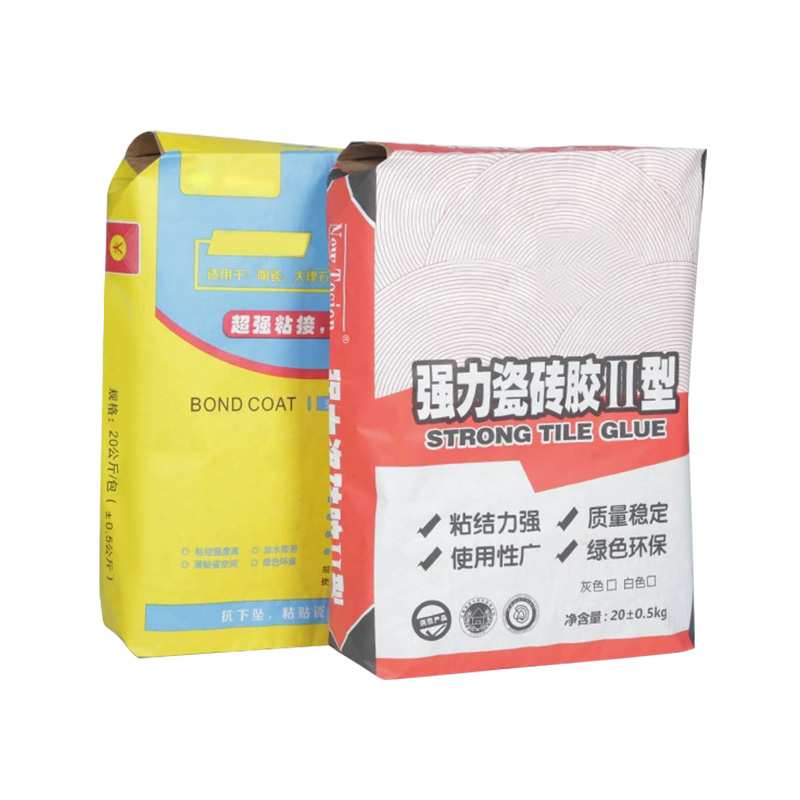
Fertilizer Packaging plays an important role in maintaining product quality during storage, transportation, and distribution. As fertilizer suppliers serve different agricultural markets, packaging requirements are becoming more specific. Buyers are paying closer attention to moisture resistance, sealing performance, bag durability, and material selection. For fertilizer packaging manufacturers, the challenge is to provide packaging that protects the contents while remaining practical for filling lines, warehouse operations, and retail distribution.
Selecting Materials According to Fertilizer Characteristics
Different fertilizer products create different packaging demands. Granular fertilizers need bags that can withstand filling pressure, stacking, and repeated handling. Powdered fertilizers require better control of dust leakage, while moisture-sensitive products need additional protection against humidity.
Woven polypropylene (PP) bags remain a common option because of their tensile strength and handling flexibility. Laminated PP bags and PE inner liners can provide additional protection where moisture exposure is a concern. The material should always be selected according to the fertilizer's physical properties and expected storage conditions.
Moisture Protection Starts with Packaging Structure
Moisture absorption can cause fertilizer granules to cake, affecting product flow and making application less convenient. A bag that looks strong on the outside may still offer insufficient protection if its inner structure or closure is unsuitable.
As a manufacturer, we recommend checking several details before finalizing a packaging specification:
- Lamination: Helps reduce moisture penetration through the outer fabric.
- Inner liners: Provide an additional barrier for moisture-sensitive products.
- Sealing methods: Reduce exposure through bag openings and closures.
- Seam strength: Helps prevent leakage during transportation and stacking.
These details should be evaluated together rather than treated as separate purchasing options.
Bag Strength and Filling Efficiency Matter
Packaging problems do not always appear during production. Some become noticeable when bags are lifted, stacked, loaded onto pallets, or transported over long distances. Weak seams, unsuitable dimensions, and inconsistent fabric quality can increase the risk of bag damage.
For fertilizer producers using automated filling equipment, bag dimensions and opening designs also deserve attention. A suitable bag should fit the filling process, allow consistent closure, and remain stable during palletizing. We recommend testing samples on the actual filling line before confirming a large production order.
Recyclable Materials Gain More Attention
Sustainability is becoming a practical consideration in fertilizer packaging development. In March 2026, Amcor and DCM introduced recycle-ready mono-material PE fertilizer packaging for the European market, demonstrating how material structure and moisture protection can be considered together.
Amcor+1
For buyers, this creates a new consideration when comparing packaging suppliers. Recyclability claims should be supported by information about material composition and compatibility with available recycling systems. Manufacturers also need to consider whether alternative structures can maintain the required strength, barrier performance, and sealing quality.
Printing and Labeling Support Distribution
Fertilizer bags need to communicate product information clearly throughout the supply chain. Product names, nutrient composition, handling instructions, and other required information should remain readable after transportation and warehouse handling.
For distributors serving different countries, customized printing and multilingual labeling can also simplify product identification. We suggest confirming artwork, printing positions, and label requirements before mass production to avoid unnecessary packaging changes.
Custom Specifications Reduce Packaging Problems
There is no single bag structure suitable for every fertilizer product. When developing a packaging solution, we consider product type, bag capacity, filling equipment, storage environment, transportation conditions, and customer requirements. This helps buyers avoid paying for unnecessary material features while ensuring that essential protection is not overlooked.
Before requesting a quotation, buyers should prepare the required bag dimensions, material preferences, printing artwork, and intended application. Sample testing can then help verify whether the proposed structure meets actual operating needs.
Reliable Fertilizer Packaging Supports Long-Term Supply
Packaging decisions influence product protection, warehouse efficiency, transportation costs, and customer experience. By balancing material selection, moisture resistance, structural strength, and recyclable design, buyers can develop a more practical solution for different agricultural markets. As a manufacturer, we focus on matching Fertilizer Packaging specifications with real production and distribution requirements, helping customers build dependable packaging solutions for their fertilizer products.