


 English
 Español
 عربى
Cement Bags need to protect their contents throughout storage, loading, and international transportation. For cement exporters and building material distributors, moisture exposure can create concerns long before a shipment reaches its destination. Rain during loading, damp warehouse floors, and condensation inside shipping containers may all affect packaging performance. As a manufacturer, we help customers assess these risks when selecting bag materials, construction methods, and packaging specifications for different shipping conditions.
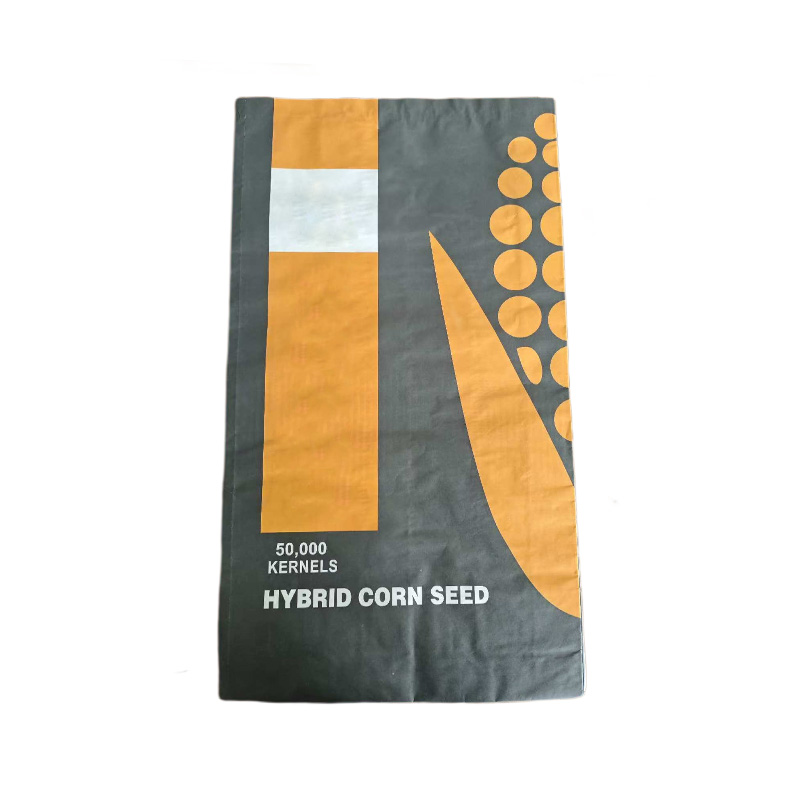
Moisture Risks Begin Before Shipment
Cement packaging may encounter moisture at several points in the supply chain. Bags can be exposed to rain on loading docks or stored temporarily in warehouses with poor ventilation. Even when the outer packaging remains intact, unsuitable storage conditions can compromise the contents. Buyers should review the full handling process, including temporary storage, container loading, and unloading arrangements, rather than focusing only on the bag material.
Select Materials According to the Destination Climate
Packaging requirements can vary between dry inland markets and humid coastal regions. Woven polypropylene bags are widely used for cement packaging, while additional liners or other protective structures may be appropriate for certain applications. The right choice depends on the expected exposure, storage duration, and transport arrangements. Buyers should discuss destination conditions with their supplier before deciding whether extra moisture protection is necessary.
Check Bag Construction and Closure Design
A suitable material cannot compensate for poor construction. Weak seams, damaged areas, or unsuitable closures may allow powder to escape and leave the package vulnerable during handling. When evaluating samples, buyers should inspect stitching, bag openings, surface consistency, and closure compatibility. For lined bags, the liner structure and its interaction with the filling process also deserve attention.
Container Loading Requires Careful Planning
Even properly designed cement bags can be damaged by poor loading practices. Contact with sharp edges, uneven stacking, or excessive pressure may cause tears during transit. Before dispatch, packaging teams should ensure that pallets are stable, bags are arranged securely, and containers are dry and free from visible water damage. Protective measures should match the shipping route and handling equipment.
Storage Practices Support Packaging Performance
After arrival, cement bags should be kept in a dry, protected area and separated from damp floors. Warehouse teams should follow suitable stacking procedures and inspect packaging for visible damage before moving stock into distribution. Clear stock rotation practices can also help businesses manage inventory according to product requirements and storage conditions.
Review These Details Before Ordering
For bulk cement packaging orders, purchasing teams should confirm:
- Material structure: Check whether a liner or additional barrier is needed.
- Bag strength: Evaluate performance under the expected filling and handling conditions.
- Closure design: Ensure compatibility with the packing system.
- Shipping environment: Consider humidity, container conditions, and transit arrangements.
- Quality inspection: Approve samples and agree on production specifications before placing repeat orders.
Coordinate Packaging with Shipping Requirements
Reliable Cement Bags are selected by considering the complete journey from the packing line to the final warehouse. As a manufacturer, we work with customers to understand their filling methods, destination climates, and transportation arrangements before confirming bag specifications. This practical approach helps exporters and distributors choose packaging that suits their operating conditions and manage moisture-related risks throughout the supply chain.