


 English
 Español
 عربى
Cement Bags can affect daily production efficiency more than many buyers expect. When bags split during filling, release powder around the packing line, or fail during pallet handling, the resulting cleanup and material loss can disrupt routine operations. For cement producers and packaging distributors, choosing the right bag involves more than comparing prices. As a manufacturer, we focus on bag construction, filling compatibility, and consistent production quality to address these practical challenges.
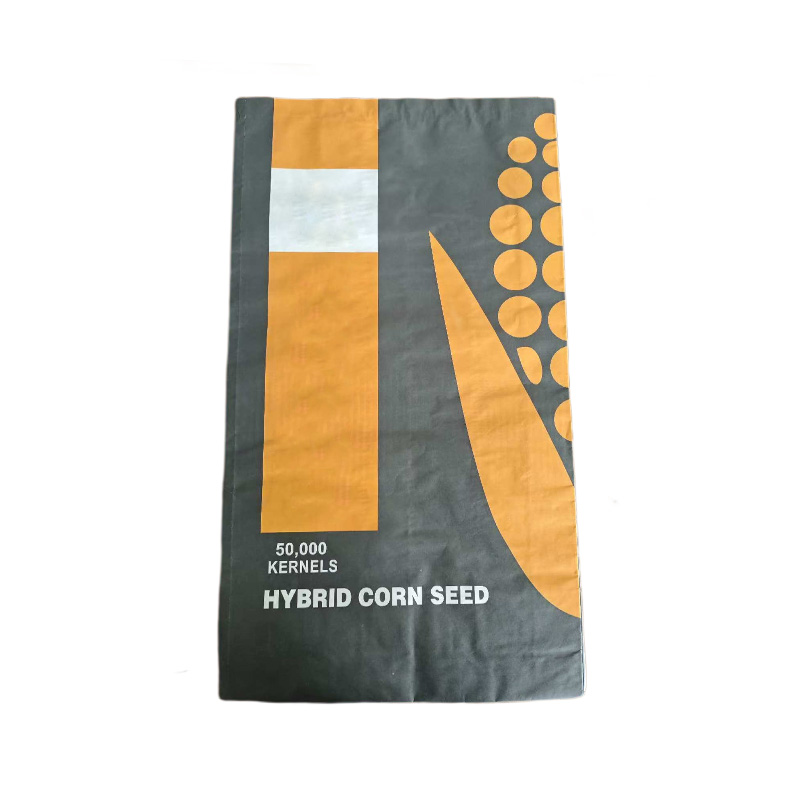
Bag Design Should Fit the Filling Process
Different cement packing lines require different bag structures. Open-mouth bags and valve bags are designed for different filling arrangements, so buyers should confirm equipment compatibility before ordering. Bag dimensions, opening design, and material flexibility can influence how smoothly bags move through the filling process. Providing equipment details and filling requirements helps manufacturers recommend suitable specifications.
Control Powder Leakage at Critical Points
Cement dust around a filling station can increase cleaning workloads and create an untidy production environment. Leakage may occur when the bag opening does not match the filling nozzle, when closures are unsuitable, or when seams are poorly constructed. Buyers should inspect these areas during sample testing and check whether the selected design works with the actual cement powder and filling equipment.
Material Consistency Supports Reliable Production
Variations in fabric thickness, bag dimensions, or seam construction can cause inconsistent performance across a production batch. These differences may become noticeable only after bags enter regular operation. As a manufacturer, we pay attention to raw material selection and production checks so that finished bags follow agreed specifications. Buyers should discuss inspection procedures and acceptable quality requirements before confirming repeat orders.
Match Packaging to Transport and Storage
Filled bags may experience pressure during stacking, movement on pallets, and transportation over uneven roads. A suitable bag needs to handle these conditions without unnecessary tearing or deformation. Buyers should consider the intended filling weight, stacking arrangement, transport distance, and warehouse environment when selecting woven polypropylene or other suitable cement packaging structures. Proper palletizing and dry storage also help protect the finished product.
Printing Requirements Need Early Confirmation
Packaging artwork often contains product identification, handling instructions, company details, and destination-market information. Changes made after production starts can result in delays or wasted printed materials. Before approving an order, confirm the artwork file, color requirements, print position, and readability of essential text. For export shipments, check applicable labeling requirements with the relevant importer or compliance team.
A Practical Checklist for Packaging Buyers
Before selecting a supplier, review these points:
- Filling compatibility: Confirm bag dimensions and opening design against the packing equipment.
- Leakage control: Inspect seams, closures, and the filling interface.
- Load performance: Evaluate filled bags under realistic stacking and handling conditions.
- Quality consistency: Agree on inspection criteria and sample approval procedures.
- Order planning: Confirm printing files, packaging quantities, and delivery arrangements.
This approach helps purchasing teams identify potential problems before they affect routine production.
Build a More Reliable Packaging Process
Suitable Cement Bags should work with the filling line, remain intact during distribution, and meet the practical needs of the intended market. As a manufacturer, we encourage customers to share their operating conditions and packaging concerns before finalizing specifications. Careful sample evaluation and clear production requirements help cement businesses manage material waste, maintain cleaner packing areas, and establish a more dependable supply of cement packaging.