


 English
 Español
 عربى
عربىGrowing interest in dependable packaging solutions has encouraged many businesses to consider the Multi-Layer Paper Packaging Bag and the Paper-Plastic Composite Bag when handling food items that require stable storage conditions. These packaging formats provide structural support, moisture moderation, and ease of handling, which are important for food producers, distributors, and warehouse teams managing large quantities of goods. Their layered materials and adaptable design features allow them to serve a wide range of storage needs without relying entirely on fully plastic-based packaging.
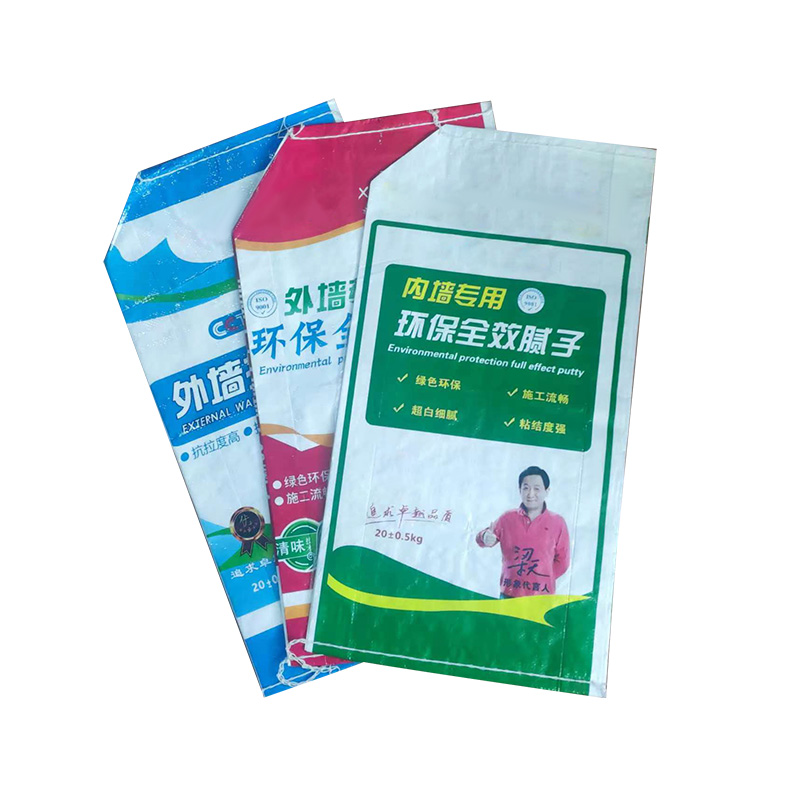
How Layered Paper Structures Support Food Stability
Food products such as flour, sugar, starch, and grains are sensitive to humidity and pressure during storage. Multi-layer paper structures provide a buffer that slows down external influences and helps maintain the product’s natural condition. Each layer of kraft paper absorbs and distributes moisture gradually, which is helpful for preventing sudden changes that often affect food quality.
This layered design supports environments where temperature shifts occur throughout the day. Warehouses, processing facilities, and distribution centers may experience fluctuations because of machinery, ventilation systems, or frequent loading and unloading operations. The gradual response of multi-layer paper can help maintain a steady environment inside the bag, making it a practical packaging choice for storing food materials that need controlled exposure rather than complete sealing.
Why Food Suppliers Value Breathability in Storage
Certain food materials react poorly when stored in airtight bags. Grains, nuts, seeds, and similar items naturally release moisture, and trapping this moisture inside a fully sealed container can encourage condensation. Condensation may cause clumping or surface dampness, which is often undesirable.
Multi-layer paper packaging provides a measured level of breathability. This characteristic allows small amounts of moisture to escape gradually, helping maintain a more stable internal condition. Food products that need airflow to stay dry benefit from this controlled ventilation. For example, agricultural warehouses often store bulk grains for extended periods, and breathable packaging supports long-term preservation.
By allowing moisture to dissipate instead of accumulate, these bags help reduce the likelihood of internal dampness. This is one reason why food processing plants and agricultural suppliers continue to use paper-based layers for products that naturally interact with environmental humidity.
How the Paper-Plastic Composite Bag Protects Sensitive Materials
While multi-layer paper bags provide adequate performance for many food products, some items require additional protection during transportation or storage in humid regions. This is when the Paper-Plastic Composite Bag becomes useful.
Its added plastic layer provides a stronger barrier against moisture and contamination, while the paper reinforcement helps maintain structural stability. Food-grade powders, processed ingredients, and products with strict moisture requirements often benefit from this type of bag. Long-distance shipments, especially those passing through coastal or high-humidity areas, can expose packaging to challenging environmental factors. The composite design helps keep the contents protected during these transitions.
The combination of material layers also supports stacking stability, which is important when bags are stored for long periods or transported in bulk. The outer paper layer improves handling, prevents slippage, and protects the plastic barrier from wear during loading and unloading.
Practical Handling Advantages in Warehouses and Production Areas
Day-to-day food storage requires packaging that responds well to different handling environments. Multi-layer paper bags maintain their structure under routine movement, including pallet stacking, conveyor transport, and manual lifting. Their textured paper surface increases friction, helping stabilize stacks on pallets and reducing the risk of sliding.
Packaging stability indirectly contributes to better storage conditions. Stacks that remain firm and organized are less likely to be exposed to moisture-prone floor surfaces or ventilation drafts. For warehouse teams managing thousands of bags at a time, this physical stability can be as important as the bag’s moisture performance.
Paper-plastic composite designs provide similar handling benefits while adding another layer of moisture protection. This is helpful for food ingredients that need to stay dry during cross-regional transport.
Suitability for a Wide Range of Food Products
Different food categories require different storage characteristics, and multi-layer paper bags support many of them:
Powdered Food Materials
Products like flour, baking mixes, starch, and sugar need consistent internal conditions. Multi-layer paper slows humidity changes and preserves texture, helping these products remain free-flowing.
Agricultural Foods
Bulk items such as rice, wheat, corn, and seeds often need breathable packaging. Paper layers support gradual moisture transfer while protecting the food from external contamination.
Processed Ingredients
Spices, additives, and supplements may require protection from humidity and odor absorption. For these products, combining paper structure with a plastic barrier offers balanced performance.
Animal Feed and Related Products
Feed pellets and grain mixes benefit from a stable internal environment during long storage periods. Multi-layer paper bags help maintain that consistency.