


 English
 Español
 عربى
عربىHandling bulk powders and granulated materials requires careful consideration of packaging options to ensure efficient storage, transport, and processing. Valve Bag Manufacturers offer Kraft Composite Bags as a practical solution for a range of industrial applications. These bags provide a structured approach to packaging that can address common challenges in material handling, from maintaining bag integrity to easing stacking and distribution processes. Choosing the right bag type involves understanding material properties, environmental factors, and operational requirements.
Bag Construction and Material Strength
Kraft Composite Bags are available in multiple constructions, including single-ply, multi-ply, and laminated designs. Single-ply bags may be suitable for lighter materials or short-distance transport, whereas two-ply, three-ply, or four-ply options provide additional support for heavier or more abrasive products. Laminated configurations, which combine paper layers with a thin film, offer added protection against moisture and dust. Evaluating the strength and layering needed for your specific materials helps prevent bag deformation during handling and ensures a more consistent stacking arrangement.
Filling Systems and Handling Efficiency
A key factor to consider is the valve closure system, which is common in Kraft Composite Bags. This design allows for hands-free filling, reducing manual labor and improving the consistency of bag filling. For operations that handle cement, chemical powders, pigments, or latex powders, the valve mechanism helps materials settle evenly in the bag, supporting organized stacking and easier handling in storage areas.
Storage Space and Stackability
Bag shape and uniformity influence how efficiently materials can be stored. Kraft Composite Bags maintain a stable form, which facilitates neat stacking in warehouses or on pallets. Multi-ply and laminated bags generally retain their shape better under heavier loads, reducing the likelihood of shifting or collapsing. Proper bag selection supports the use of available space more effectively, contributing to safer handling and reducing the potential for product loss during storage or transport.
Material Sensitivity and Environmental Conditions
The nature of the material being packaged is an important factor in bag selection. Powders sensitive to moisture, such as titanium dioxide or pigments, benefit from laminated layers that provide additional barrier protection. Similarly, fine chemical powders or polymer products may require stronger multi-ply configurations to maintain integrity during transport. Considering environmental conditions, such as humidity, temperature, and exposure during storage or shipping, helps determine the appropriate bag type for maintaining material quality.
Customization and Operational Requirements
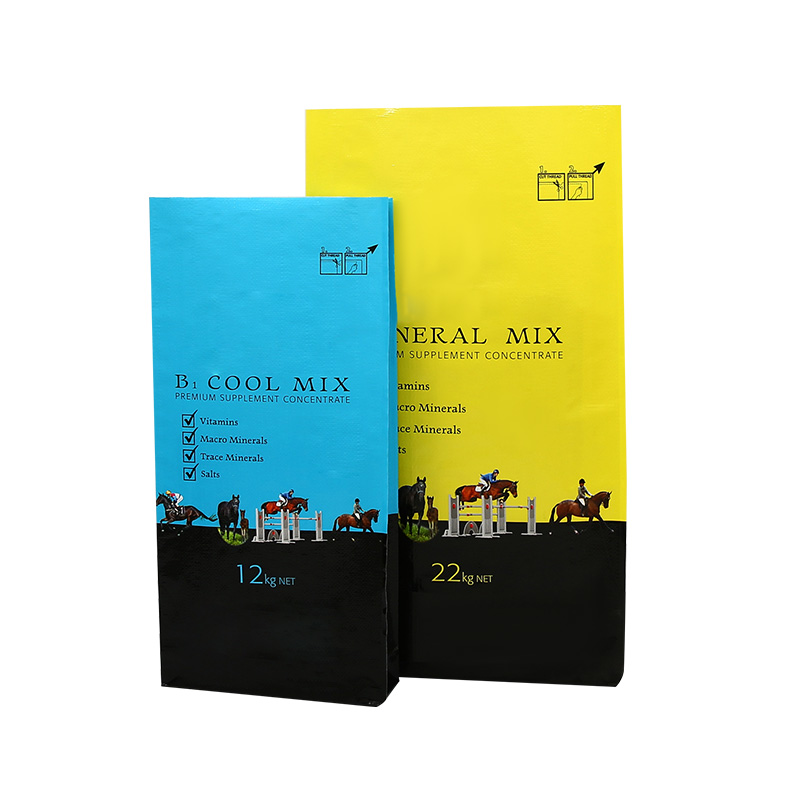
Valve Bag Manufacturers often provide options for customizing bag size, thickness, printed logos, and color coding. Custom sizing and thickness help match the bag to specific product weight and handling needs, while printed logos support product identification and brand visibility. Traceable codes or labeling can assist inventory management and quality monitoring without adding complexity to daily operations. Evaluating the degree of customization required helps ensure that the packaging supports both operational workflow and logistical needs.
Practical Considerations for Daily Use
When choosing Kraft Composite Bags, it is important to balance practical factors such as bag weight, ease of handling, and compatibility with existing equipment. Single-ply bags may be adequate for short-term storage or lighter materials, while multi-ply or laminated bags can better support heavier products over longer distances. Valve closures contribute to cleaner handling and reduce dust exposure, which can simplify warehouse management and support safer working conditions. Considering these factors helps maintain smoother operational routines and reduces common handling difficulties.
Sustainability and Environmental Impact
Recyclable materials are another factor to consider. Kraft Composite Bags are often made from recyclable paper, aligning with sustainability practices in industrial operations. Using recyclable packaging reduces environmental impact without interfering with the functional requirements of handling, storage, or transport. Selecting bags with recyclable content provides a practical approach to meeting sustainability goals while maintaining material handling efficiency.